10 Top Mobile Apps For Cabin Bunk Bed
Cabin Bunk Bed A bunk bed is essentially two beds stacked on top each other. It's a favorite choice for rooms with limited space. 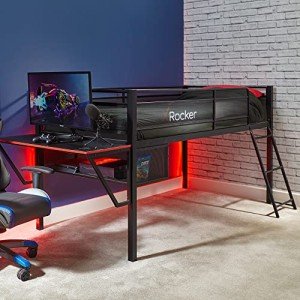 Both loft beds and bunk beds elevate mattresses above the floor, which allows more space to be used to store other furniture. But there are some important distinctions between the two. Space-Saving Convenience Many bunk beds in cabins include storage in these beds, making them a practical and effective solution for smaller rooms. This design is space-saving and can eliminate the requirement for separate dressers and nightstands, allowing you to use more floor space for other furniture items such as desks or sofas. In contrast to traditional wooden bunks which can be heavy and require complex assembly, these modern metal bunks are designed to fit in most rooms with ease. A bunk bed that has a built-in desk is perfect for children who wish to study and work on creative projects in their own space. Bunk beds that have desks can also help kids stay organized by keeping their books, workbooks and gadgets in one place. The desk can be stored away when it is not in use, opening up the room for other activities or playing. Shelving units that run along a side of the bunk make an excellent space to store toys, clothes and other bedroom accessories. This is a great alternative to a classic toy chest that can be incorporated into the frame of the bunk to provide additional height for taller children and adults. Nicole Fisher of BNR Interiors added these shelves to her bunks, giving this large bedroom a unique modern, functional and feminine look. Another option is to create an encasement into the lower bunk's raised surface. This is a great spot to store large toys and boardgames in a safe place, away from view until required. This can also be curtained off to create a cozy reading space for a young girl's room or a fun place to hide away for older children. A bunk bed that has a closet is ideal for siblings who share a bedroom. It allows them to store their own clothes and accessories in a convenient location without taking up valuable space. These bunk beds can even be equipped with dividers to enhance privacy and create dedicated spaces for each child's belongings. These dividers can be customized with a range of fabric options to reflect the design of the bedroom of each child. Lightweight Bunk beds tend to be lighter than traditional frames due to the fact that they don't need to be able to fit a box spring and other bulky materials. This makes them more convenient to move around and is more suitable for use in smaller spaces or areas which require a lighter option. Metal bunk beds have a modern sleek design that is a perfect match for any style of design. Another advantage of bunk beds in cabins is that they're typically designed to be as insect-proof as possible. They don't have warm or hard to spot crevices in which bed bugs and other pests, like termites and mice, could hide. Because of this, they're an excellent choice for families that have had issues with infestations in the past or are worried about the likelihood of having a problem in the future. The concept of TU Delft uses the space in a cabin for economy to offer passengers beds above their seats. The company claims that the beds are easy to access, even for older passengers, provided they enter head-first. They're also comfortable to sleep in and do not hinder evacuation procedures. Some bunk beds come with curtains that help ensure your child's privacy. Some designs also have niches or other details to enhance privacy. This is especially relevant for the top bunk. Some people prefer to add sleeping bags to the top bunk to simplify making up the bed and keep it clean. These sleeping bags are available from a variety of shops or on the internet. They are a great option for making the upper bunk more appealing and comfortable. Easy to Assemble Bunk beds are an excellent option to reduce space whether you're planning a cozy getaway or putting together an outdoor cabin. Bunk beds are available in sizes ranging from twin-over-twin to twin-over-full and offer more sleeping capacity. Wooden bunk beds can be difficult to move and store since they are heavy, have many pieces and require a complex assembly. ESS metal bunk beds are sleeker and more compact, making them much easier to assemble and to move around your cabin. The majority of cabin bunk beds are easy to customize by allowing you to select the color of stain or finish that matches your decor. Some models include an assembly guide to help you build your bunk bed faster. For a rustic look that's perfect for a rustic cabin choose a wooden bunk bed with an edgy ladder. Pick a clubhouse bunk for your home to create a fun and secluded space for kids. cabin beds single -bought or DIY clubhouse bunks, like this room corner by @sandrockhouse, mix pre-made pieces with DIY components to create a unique look that's both budget friendly and simple to put together. Certain bunk beds come with optional accessories, such as drawers or shelves that can be used to store things and add functionality to the bedroom of your children. This allows you to efficiently store bedding, clothing, and books when they are not being used. This space-saving benefit can make a significant difference when it comes to keeping your child's space clean and tidy. If you're looking for a bunk bed that's even easier to assemble than the traditional wooden model you should consider a loft or single cabin bed. These beds do not require a ladder for access to the top bunk, and are tall enough to accommodate a trundle or storage drawers below. These beds are also popular with teens and older children as they offer the privacy of a bunk bed without the additional height, which is more suited to younger kids. Bed Bug Resistant Bed bugs can be a major issue for summer camp, especially when you have a lot of turnover. They are notoriously hitchhikers and travel from person to on luggage, clothes, or bedding. When you get inside your camp cabins, these blood-sucking pests look for hiding places near places where people sleep, including mattresses, box springs, and bed frames. They are also found in curtains, cushions and blankets. They are active at night and may remain undetected in a certain area for a long time before being discovered. They can be found in small crevices and are good at climbing ceilings and walls. They can climb wood cabin walls in just a few seconds. There are some things you can do to avoid bed bug infestations. You can purchase special mattress encasements which have been tested in labs to be resistant to bed bugs. You can also invest in sealing material and wire mesh to block any cracks or crevices where bed bugs might lurk, like those on the corners of a wooden frame. Furthermore, you can ask your employees to use a flashlight when checking bedding and pillows for bed bugs and their excrement that is rust-colored. These tiny dark spots, which are no larger than a period can be easily missed if the area in question is covered with sheets or is extremely light. The use of an LED flashlight will make the process more efficient. If you find evidence of a bedbug problem, you'll need to take action quickly. They multiply quickly and, once they begin biting campers, the welts they leave behind can be very itchy and unpleasant. Moreover, they can cause many medical problems, including fever, headaches and nausea. If you notice these symptoms then you'll need to cancel any future res and relocate the affected campers.